
Suvendu Adhikari must have waited for this day his entire life, at least the political career part of it. Today, the BJP leader took oath as West Bengal Chief Minister after his party won the assembly election in this eastern state for the first time in its tumultuous electoral history, from the hands of the communists to Mamata Banerjee's activism-esque style that lasted 15 years.
Adhikari once served as an aide to a proud and unstoppable Banerjee, then chief minister, when she steered the Trinamool Congress ship. Fast forward to this very moment, Adhikari has settled himself on the cushy seat once occupied by the same person who he played aide to.
It's quite likely that in the current context no other leader in Bengal has a more dramatic, almost stardom-like ascension than Adhikari's story. Consider these, all in the former sense: aide to a defeated chief minister, senior guide to the Trinamool Congress, hero to voters in Nandigram and Bhabanipur. Like the Roman general who returned for justice.
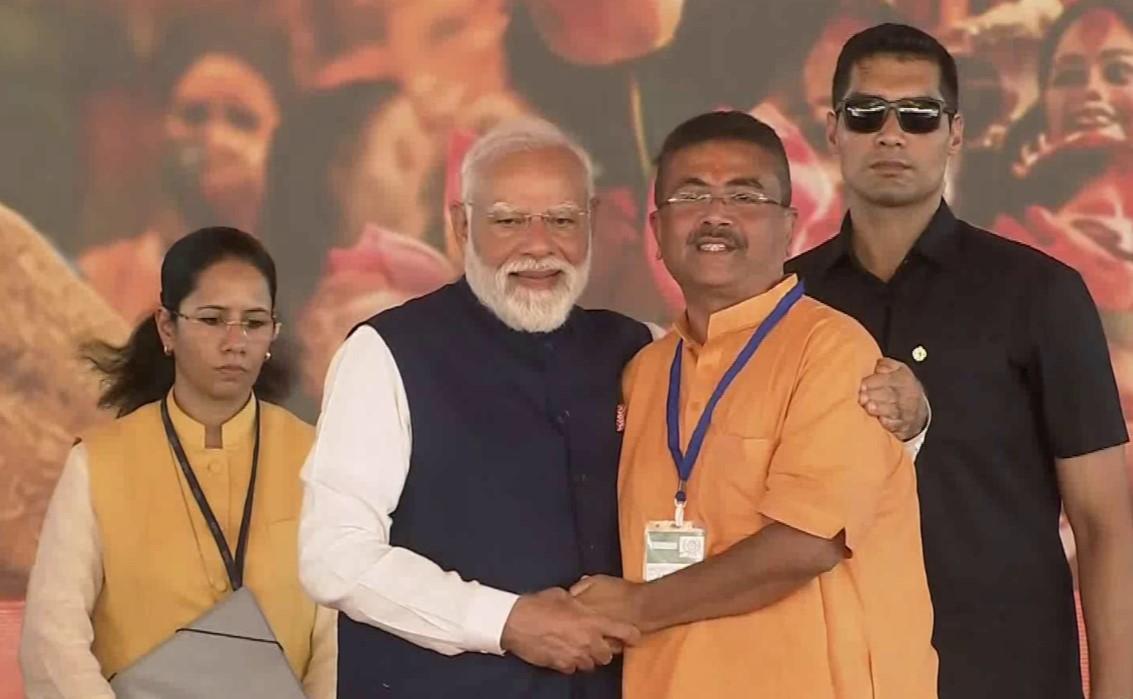
Today is more than just Adikari's day. Today is also more than just a dream-comes-true day for the BJP. The attendance of Prime Minister Narendra Modi and Union Home Minister Amit Shah at the new chief minister's oath-taking tells how significant is this turn in Bengal's political destiny, irrespective of ideologies, winners and losers.Adhikari's initial team has some big names: Dilip Ghosh, Agnimitra Paul, Ashok Kirtania, Kshudiram Tudu, and Nishith Pramanik, all of whom took oath today, which is also the birth anniversary of Rabindranath Tagore, Asia's first Nobel laureate.
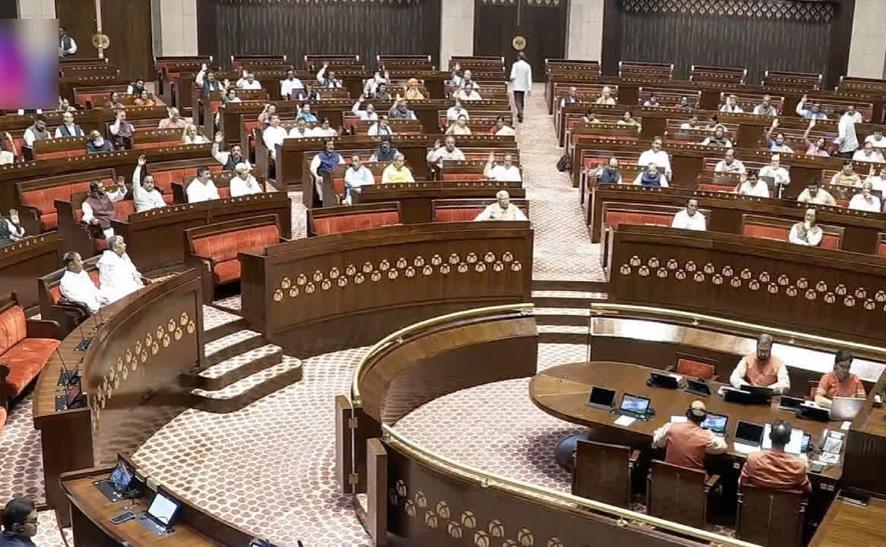
Governor RN Ravi - the former Intelligence Bureau officer with a vast experience in fighting insurgencies - administered the oath of office and secrecy to Adhikari and the others at the Brigade Parade Grounds in Kolkata, days after the BJP won 207 seats in the 294-member assembly, ending the Trinamool Congress's 15-year run in the state.
The BJP appears to have worked hard to ensure representation in Adhikari's initial new team. Dilip Ghosh belongs to Other Backward Classes (OBC), Agnimitra Paul is Kayast, Ashok Kirtania is Mathua, Kshudiram Tudu belongs to a tribe, and Nishit Pramanik is Rajbonshi.
Individually, these five leaders have been visible in the Bengal BJP for quite some time with their contributions to the party's overall health and the final push that propelled it to power.
Dilip Ghosh played a big role in expanding the BJP's ground network after 2014. Agnimitra Paul after joining the BJP in 2019 became one of BJP's most prominent women personalities in Bengal politics. Ashok Kirtania is known as a representative of the Matua voter base, which is extremely important to the BJP in Bengal's south. Kshudiram Tudu represents the tribal-dominated constituency Ranibandh, and has been powering the BJP's outreach in western Bengal's tribal areas. Nisith Pramanik is known for his strong appeal to young voters and organisational influence.