
Normal life in Kashmir was affected for the fifth consecutive day as partial restrictions on movement of people remained in force as a precautionary measure.
The restrictions were imposed on Monday (March 2, 2026) after spontaneous protests broke out across Kashmir a day earlier against the killing of Iran's supreme leader Ayatollah Ali Khamenei in U.S.-Israel joint strikes.
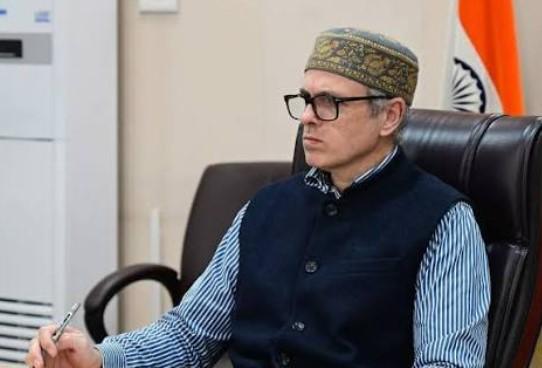
Chief Minister Omar Abdullah on Wednesday (March 4, 2026) held a meeting with civil society representatives and religious leaders as part of efforts to bring the situation back to normalcy.
After the meeting, Mr. Abdullah appealed to people to maintain peace while expressing grief and anger in "mosques, shrines and Imambaras".
The government has shut educational institutions till Saturday (March 7, 2026), and reduced mobile internet speeds.
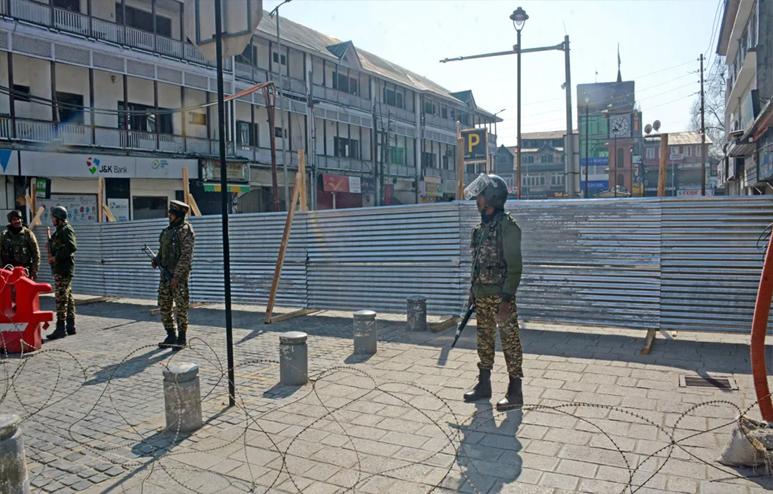
"Restrictions on the movement and assembly of the people continued in many parts of Kashmir on Thursday," the officials said. “A large number of police and paramilitary CRPF personnel were deployed across the city to prevent gatherings of protestors,” the officials said.They added that concertina wires and barricades were placed at important intersections leading into the city, while asserting that these were precautionary measures imposed to maintain law and order.
The iconic Ghanta Ghar in the city centre of Lal Chowk here continued to remain a no-go zone after the authorities sealed area with barricades erected all around it on late Sunday night.
The move to seal the Ghanta Ghar came after it witnessed massive protests on Sunday (March 1, 2026) after Khamenei's death in the joint air strikes by the U.S. and Israel.
This is the first time since August 2019 — when Article 370 was revoked — that protests on such a large scale have taken place in Kashmir.