
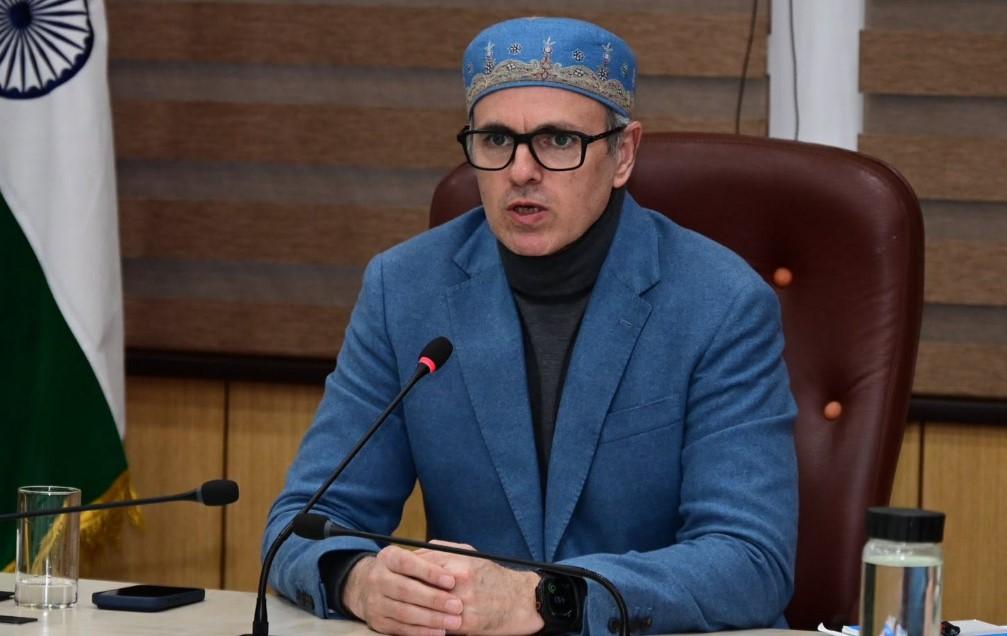
In a major leap forward for public healthcare and social welfare, the Chief Minister led government has announced a comprehensive overhaul of the landmark Cancer Treatment & Management Fund for Poor (CTMFP) to ease the out-of-pocket financial burden on poor and vulnerable patients battling cancer.
This major policy shift directly targets the critical gaps that previously left low-income families financially exhausted. While major inpatient operations and therapies are broadly covered under the Ayushman Bharat–PMJAY SEHAT ecosystem, patients historically suffered massive out-of-pocket expenses for outpatient care, routine diagnostics, and daily medication.
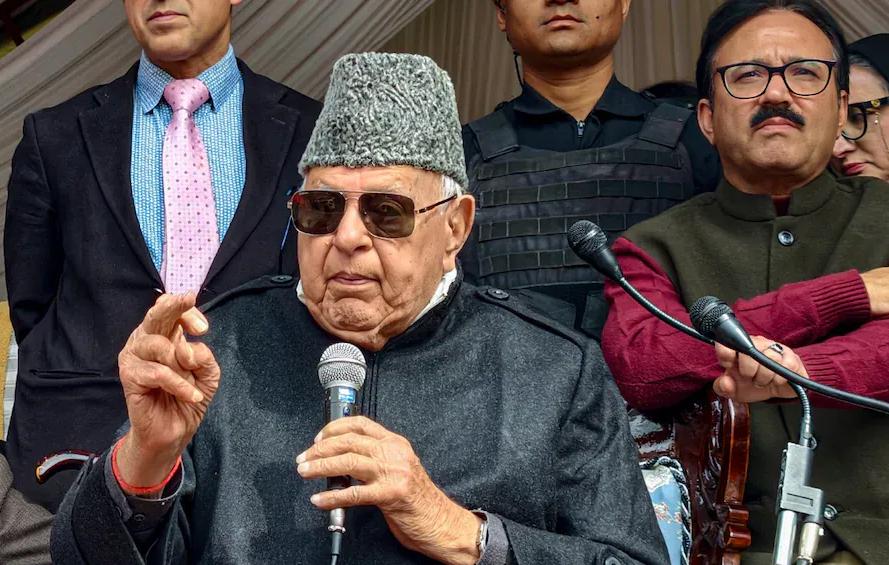
Addressing this gap head-on, Chief Minister Omar Abdullah’s modified guidelines raise the annual family income eligibility limit from ₹2.40 lakh per annum (₹20,000 per month) to ₹4.00 lakh per annum, extending a strong safety net to other low-income families.
Furthermore, recognising that cancer recovery demands sustained assistance, the administration has replaced the old one-time grant with up to three distinct financial sanctions.
The revised scheme showcases a modern transformation when evaluated against the original 2010 guidelines. The Chief Minister Omar Abdullah’s updated initiative institutes clear assistance slabs of ₹75,000 for families earning up to ₹3 lakh annually and ₹50,000 for those earning between ₹3 lakh and ₹4 lakh.
Further, beneficiaries are no longer confined to a short list; they can now access care at any hospital empanelled under the Ayushman Bharat-PMJAY-SEHAT network.
The modified scheme modifies traditional approach of assistance sent to hospital accounts. Instead, direct bank transfers via Direct Benefit Transfer (DBT) to the patient shall be made. Further, once sanction is received from the Chief Minister’s office, Deputy Commissioners are required to deposit sanctioned funds directly into beneficiary bank accounts within 72 hours of release from the Chief Minister's Secretariat.
This modified scheme is the government’s decisive move to address financial vulnerability of patients suffering from life threatening disease and to provide governmental support to the families in need.